
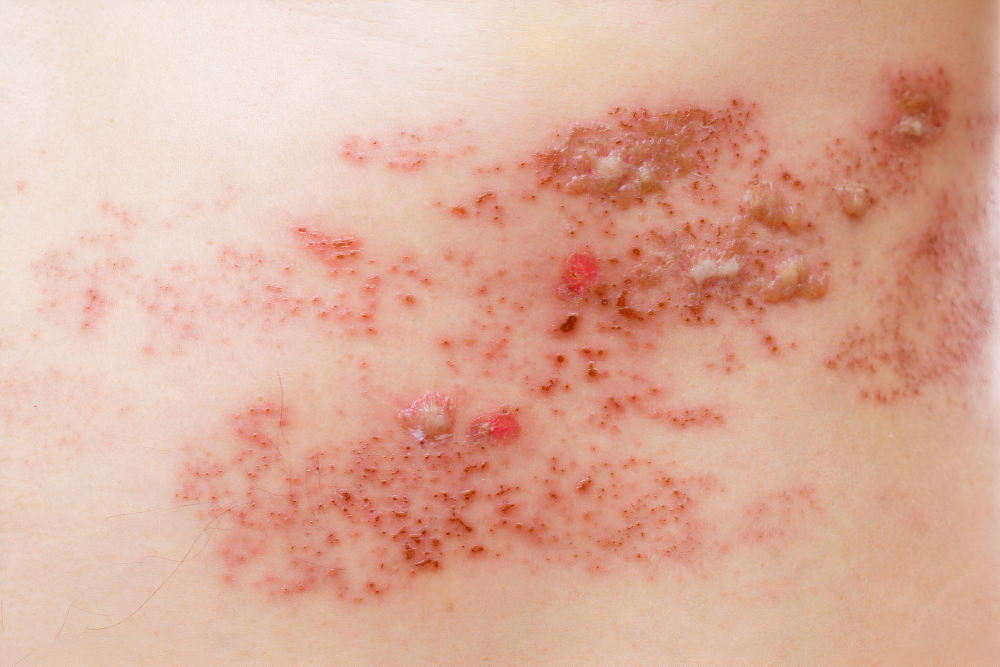
What is Shingles?
Shingles is a painful skin rash caused by the varicella-zoster virus. This is the same virus that causes chickenpox. After you recover from chickenpox, the virus stays in your body. Sometimes, it becomes active again years later. When this happens, it causes shingles. Many people experience burning, tingling, or itching before the rash appears. Because shingles can be serious, early treatment is important.
Symptoms of Shingles
Shingles symptoms often start with pain or a tingling feeling. Soon after, a red rash appears. The rash usually shows up on one side of the body or face. However, it can also affect other areas. Common symptoms include:
Sometimes, the pain can last even after the rash goes away. This is called postherpetic neuralgia.
Causes and Risk Factors
Shingles is caused by the varicella-zoster virus. After you have chickenpox, the virus stays in your nerves. Later in life, it can reactivate and cause shingles. Several factors increase your risk:
Although anyone who had chickenpox can get shingles, older adults are at higher risk. In addition, people with certain health conditions are more likely to develop shingles.
How Shingles is Diagnosed
Doctors usually diagnose shingles by looking at your rash and asking about your symptoms. Sometimes, they may take a sample from a blister to confirm the diagnosis. Blood tests are rarely needed. Because early treatment can help, it is important to see a doctor if you think you have shingles.
Treatment Options for Shingles
Shingles treatment works best when started early. Antiviral medicines can help shorten the illness and reduce pain. Common treatments include:
Sometimes, doctors may prescribe stronger pain medicines. In rare cases, other treatments may be needed for severe pain.
Prevention and Vaccination
Shingles prevention is possible with a vaccine. The shingles vaccine is recommended for adults over 50. According to the CDC, the vaccine can lower your risk of getting shingles and its complications. Even if you have had shingles before, the vaccine can help prevent future episodes. Talk to your doctor about the best time to get vaccinated.
Living with Shingles: Tips and Guidance
Living with shingles can be challenging, but there are ways to feel better. For example, you can:
Because shingles can be contagious to people who have never had chickenpox, try to avoid close contact with them until your blisters have crusted over.
When to See a Doctor
If you think you have shingles, see a doctor right away. Early treatment can help prevent problems. You should also seek medical help if:
Prompt care can lower your risk of serious complications.
For personalized advice about shingles, consult a healthcare provider. Early action can make a big difference in your recovery.