
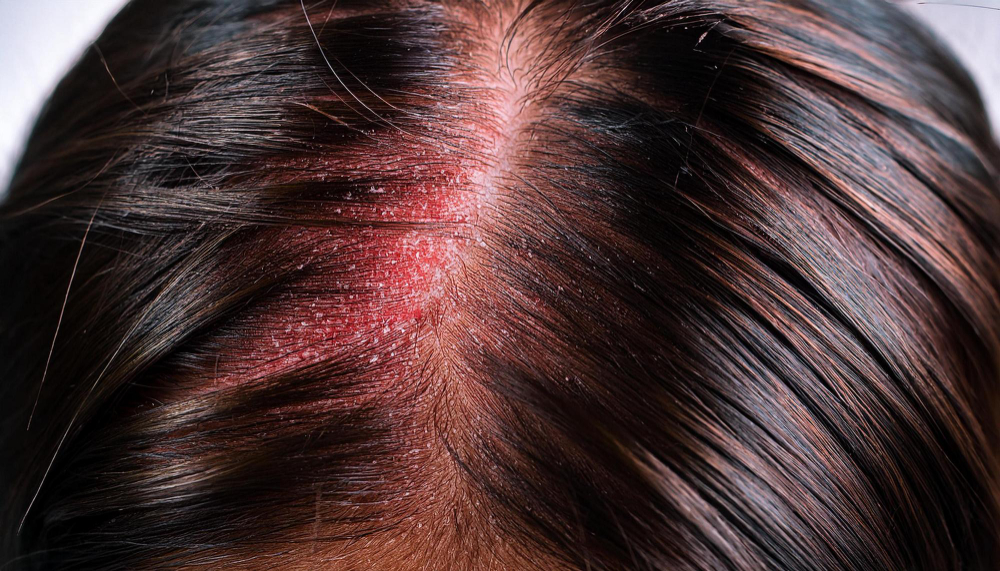
What is Seborrheic Dermatitis?
Seborrheic dermatitis is a common skin condition. It causes red, flaky, and itchy patches. Often, these patches appear on the scalp, face, or chest. Many people notice white or yellow scales. Sometimes, it looks like dandruff. However, seborrheic dermatitis can affect other oily areas of the body too. This condition is not contagious. While it can be bothersome, it is usually not serious. Most people can manage symptoms with simple treatments. According to the American Academy of Dermatology, seborrheic dermatitis affects both adults and babies.
Common Symptoms
Symptoms of seborrheic dermatitis can vary. But, most people notice some of the following:
For example, babies may develop “cradle cap,” which is a form of seborrheic dermatitis. In adults, the condition often appears on the scalp, but it can also affect the face, chest, or upper back. Symptoms may get worse in cold, dry weather.
Causes and Risk Factors
Doctors are not sure about the exact cause of seborrheic dermatitis. However, several factors may play a role. For instance, a type of yeast called Malassezia lives on the skin. Sometimes, it can grow too much and cause irritation. Also, oily skin can make symptoms worse. Other possible risk factors include:
Additionally, some people may notice flare-ups during times of stress or illness. While anyone can get seborrheic dermatitis, it is more common in adults aged 30 to 60 and in infants.
How is Seborrheic Dermatitis Diagnosed?
Usually, doctors diagnose seborrheic dermatitis by looking at the skin. They may ask about your symptoms and medical history. In most cases, no special tests are needed. However, sometimes doctors may do a skin scraping or biopsy. This helps rule out other skin problems, such as psoriasis or eczema. If you have scalp flaking or stubborn skin patches, it is a good idea to see a healthcare provider. Early diagnosis can help you manage symptoms better.
Treatment Options
There are many ways to treat seborrheic dermatitis. Treatment depends on how severe your symptoms are. For mild cases, over-the-counter shampoos and creams often help. For example, look for products with:
For more severe cases, doctors may prescribe stronger creams or shampoos. These may include antifungal or steroid medicines. Sometimes, oral medications are needed. However, always use these treatments as directed by your doctor. According to the CDC, regular use of medicated shampoos can help control scalp flaking causes and symptoms.
Lifestyle and Home Care Tips
In addition to medical treatments, you can try some home care steps. These tips may help manage seborrheic dermatitis at home:
Moreover, always test new products on a small skin area first. If irritation occurs, stop using the product and talk to your doctor.
Prevention Strategies
While you may not be able to prevent seborrheic dermatitis completely, you can lower your risk of flare-ups. Consider these prevention tips:
In addition, avoid scratching or picking at affected areas. This can make symptoms worse and may lead to infection.
In summary, seborrheic dermatitis is a common and manageable skin condition. With the right care, most people can control their symptoms. If you have ongoing scalp flaking or skin irritation, consult a healthcare professional for personalized advice on seborrheic dermatitis.