
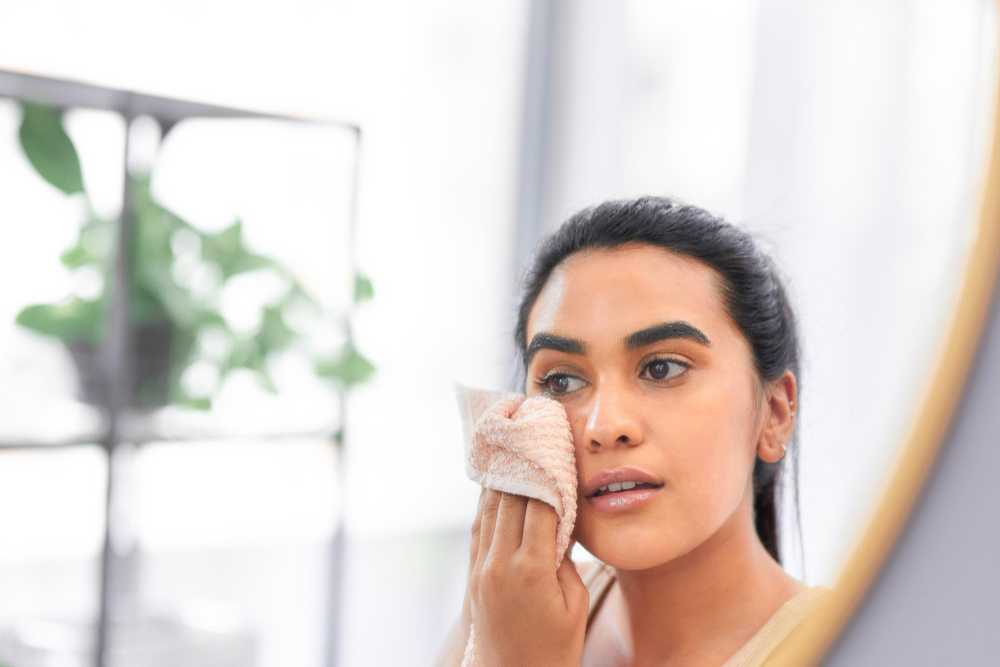
What Is Skin Dehydration with Changing Season?
Skin dehydration with changing season is a common problem. As the weather shifts, your skin can lose moisture. This often leads to seasonal skin dryness. For example, you may notice dry or tight skin in winter or summer. Because the air changes, your skin reacts. Both cold and hot weather can make your skin feel less comfortable. However, you can take steps to keep your skin healthy during these changes.
Common Symptoms
When your skin is dehydrated, you may notice several signs. These symptoms can appear quickly as the seasons change. For instance, you might feel your skin is not as smooth as before. Here are some common symptoms:
Although these signs are common, they can also point to other skin issues. So, it is important to watch for changes as the weather shifts.
Main Causes
Many factors can cause skin dehydration with changing season. For example, cold air in winter holds less moisture. This can dry out your skin. On the other hand, hot summer air and sun exposure can also remove moisture. Here are some main causes:
Because these factors are common, many people experience seasonal skin dryness. But you can reduce your risk by making small changes.
How to Diagnose Skin Dehydration
Diagnosing skin dehydration is simple. Usually, you can check for signs at home. For example, gently pinch the skin on your hand. If it does not bounce back quickly, your skin may be dehydrated. However, a doctor or dermatologist can confirm the diagnosis. They may ask about your symptoms and daily habits. Sometimes, they will look at your skin under a special light. This helps them see dryness or damage more clearly.
Effective Treatments
There are many ways to treat skin dehydration with changing season. Most treatments focus on restoring moisture. For instance, you can use gentle moisturizers every day. Here are some effective treatments:
Although these steps help most people, some may need special creams. If your skin does not improve, talk to a healthcare provider.
Prevention Tips for All Seasons
Preventing dehydrated skin in winter and summer is possible. With a few habits, you can keep your skin hydrated during weather changes. Consider these tips:
Because these steps are easy, you can add them to your daily routine. Over time, your skin will feel softer and healthier.
Lifestyle and Skincare Guidance
Healthy habits can make a big difference. For example, eating fruits and vegetables helps your skin stay hydrated. Also, avoid smoking and limit alcohol, as both can dry your skin. Try to manage stress, since it can affect your skin’s health. In addition, always remove makeup before bed. Choose skincare products that match your skin type. If you are unsure, ask a pharmacist or doctor for advice.
When to See a Doctor
Most cases of skin dehydration with changing season improve with home care. However, sometimes you may need medical help. See a doctor if:
Because some skin conditions look like dehydration, a doctor can help find the real cause. Early treatment can prevent problems.
Consult a healthcare professional for personalized advice on managing skin dehydration with changing season.