
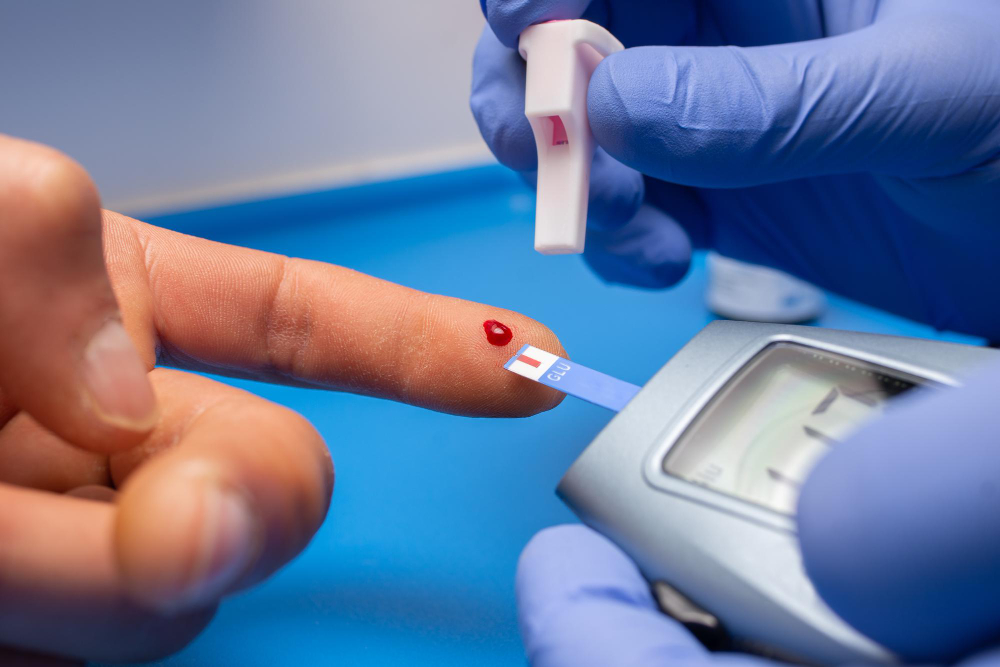
Many people do not realize there is a strong link between diabetes and vision problems. Diabetes can quietly harm your eyes, often before you notice any changes. Because of this, understanding the connection between diabetes and eye health is important. Early action can help prevent diabetic vision loss. In this blog, you will learn how diabetes affects your eyes, common warning signs, and ways to protect your vision. If you live in any city or area, these tips apply to you as well.
What Is Diabetes?
Diabetes is a long-term health condition. It happens when your body cannot control blood sugar well. There are two main types: type 1 and type 2. In both types, blood sugar levels stay high. Over time, high blood sugar can damage many parts of your body. For example, it can affect your heart, kidneys, nerves, and eyes. According to the CDC, millions of people worldwide have diabetes. Because it is common, knowing its effects is important for everyone.
How Diabetes Affects Vision
Diabetes can harm the tiny blood vessels in your eyes. When blood sugar stays high, these vessels can leak or get blocked. As a result, your eyes may not get enough oxygen. Over time, this can lead to vision problems or even blindness. However, early care can help protect your eyes. The World Health Organization warns that diabetes is a leading cause of vision loss in adults. So, regular eye checks are very important.
Common Vision Problems Linked to Diabetes
People with diabetes face a higher risk of several eye problems. Some of the most common include:
Because these problems can develop slowly, you may not notice changes right away. That is why regular eye exams are key for people with diabetes.
Warning Signs and Symptoms
Sometimes, vision changes happen quietly. Still, there are warning signs to watch for. If you notice any of these, see your doctor soon:
Even if you do not have symptoms, regular eye checks are important. Early signs of diabetic retinopathy or other problems can be found before you notice them.
Diagnosis and Regular Eye Exams
Eye doctors use special tools to check for diabetic eye disease. For example, they may use a dilated eye exam to look at the back of your eye. This helps them spot early changes. The American Diabetes Association suggests that people with diabetes get a full eye exam every year. If you have had diabetes for a long time, you may need more frequent checks. Early diagnosis can help prevent vision loss.
Prevention and Lifestyle Tips
Although diabetes can affect your eyes, you can take steps to protect your vision. Here are some helpful tips:
By following these steps, you can lower your risk of diabetic vision loss. Prevention is always better than cure.
Treatment Options
If you develop diabetic eye disease, several treatments can help. Your doctor may suggest:
Along with these treatments, keeping your blood sugar and blood pressure under control is very important. Early treatment can save your sight.
When to See a Doctor
If you have diabetes, see your eye doctor at least once a year. However, if you notice sudden changes in your vision, do not wait. Seek help right away. Early action can prevent serious problems. Remember, even if you feel fine, regular checks are the best way to protect your eyes.
In summary, diabetes and vision are closely linked. Protecting your eye health starts with good diabetes care and regular eye exams. Consult a healthcare specialist for personalized advice on diabetes and vision health.